
MALTA
MEDITERANEAN GEM
17TH INTERNATIONAL CONFERENCE ON HEAT TRANSFER, FLUID MECHANICS AND THERMODYNAMICS
MALTA
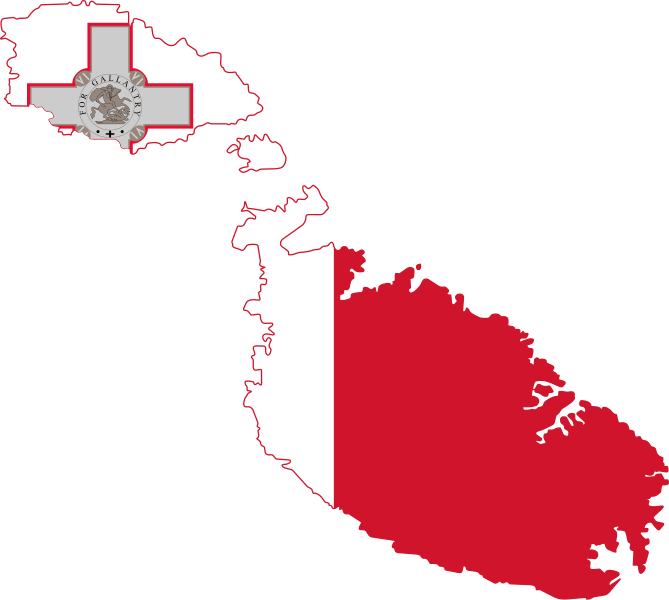
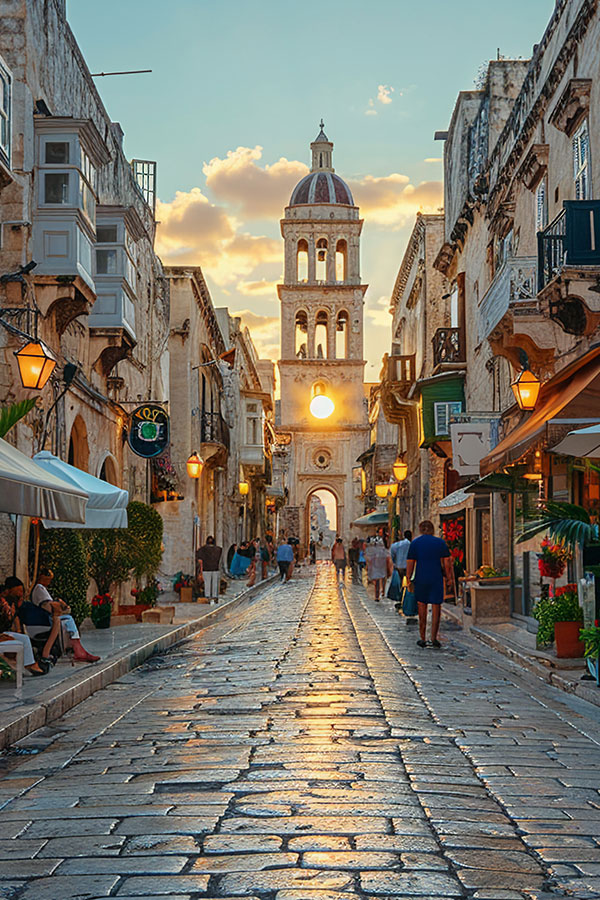
Malta is an archipelago in the central Mediterranean between Sicily and the North African coast. It’s a nation known for historic sites related to a succession of rulers including the Romans, Moors, Knights of Saint John, French and British. It has numerous fortresses, megalithic temples and the Ħal Saflieni Hypogeum, a subterranean complex of halls and burial chambers dating to circa 4000 B.C.
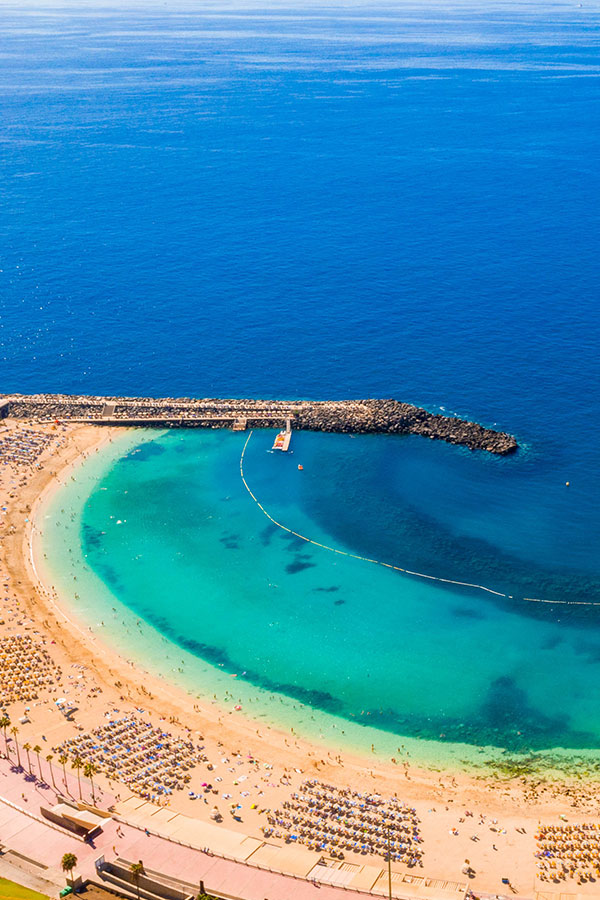
From ancient fortresses to azure waters, Malta offers something for every traveler. Whether you’re exploring UNESCO World Heritage Sites or lounging by the coast, here’s a guide to help you make the most of your Maltese adventure.
Capital: Valletta
Official languages: Maltese, English
Population: 531,113 (2022) World Bank
Area: 316 km²
Calling code: +356
Currency: Euro (€) (EUR)
 Getting Around Malta
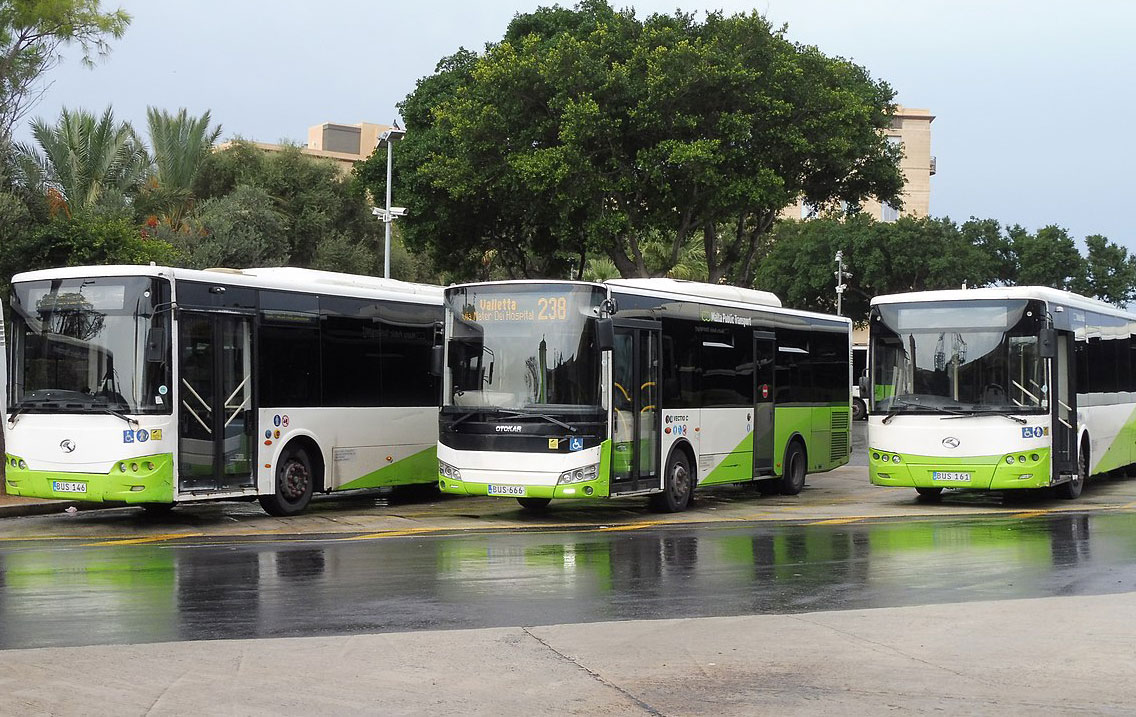
- Public Transport: Malta has a reliable and affordable bus network, making it easy to explore both the main island and Gozo. Taxis are available, but buses are a cost-effective option.
- Car Rentals: Driving can give you more flexibility, but keep in mind that Malta drives on the left side of the road.
- Ferry Services: Ferries operate between the islands of Malta, Gozo, and Comino, allowing easy island-hopping.
Currency and Payment Methods
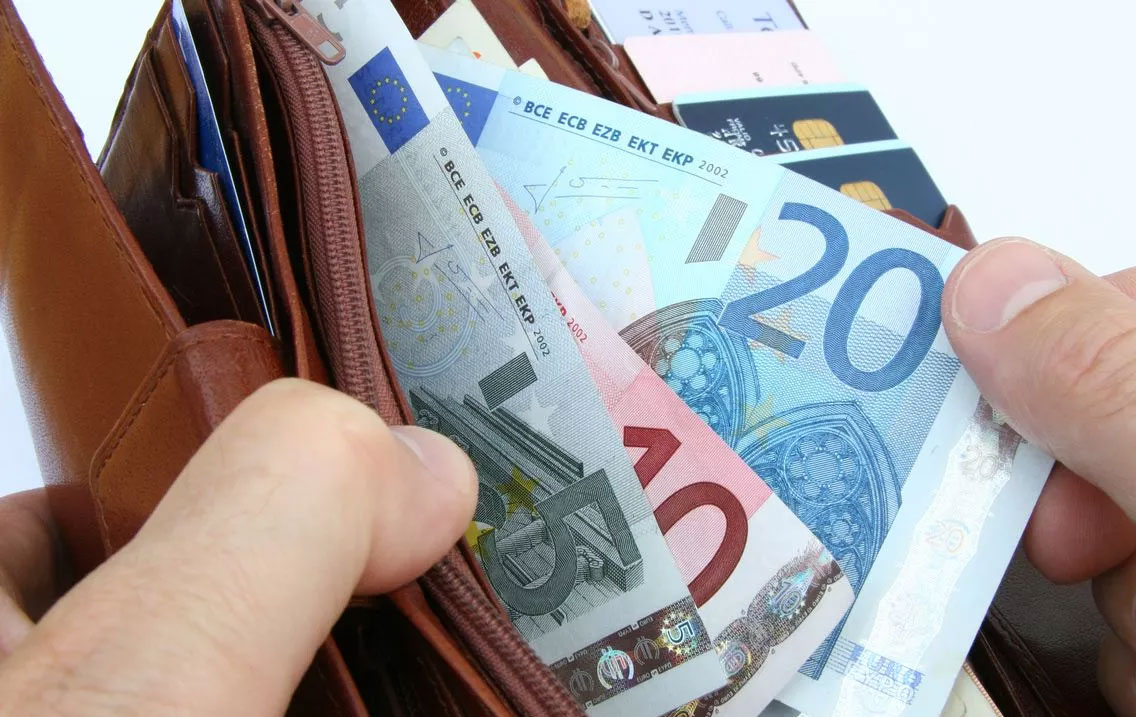
- Currency: The official currency in Malta is the Euro (€).
- Preferred Payment: Most places accept credit cards (especially in tourist areas), but carrying some cash for small purchases and rural areas is advisable.
- ATMs: ATMs are widespread and generally offer competitive exchange rates for withdrawing Euros.
Local Customs and Etiquette
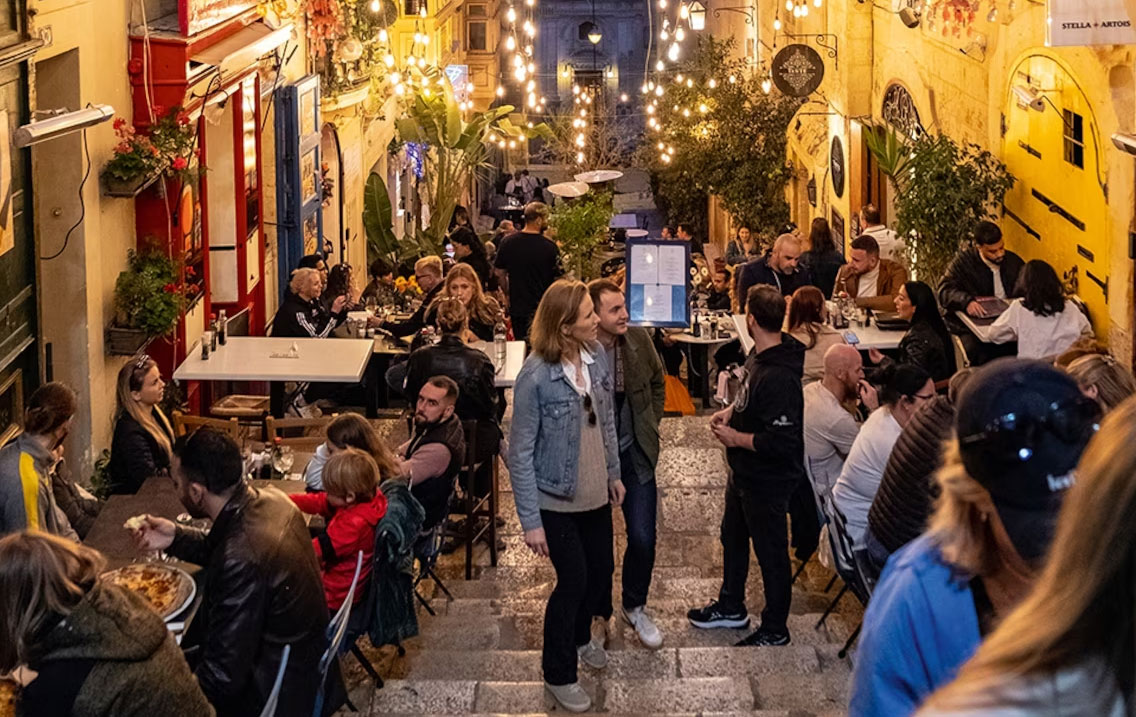
- Language: The official languages are Maltese and English. English is widely spoken, especially in tourism-related industries, so communication is generally easy for English-speaking travelers.
- Hospitality: Maltese people are known for their warm hospitality. A simple greeting or attempt to speak a few words in Maltese (like “Grazzi” for “thank you”) can go a long way in showing respect.
Do’s and Don’ts in Malta
- Do Respect Historical Sites: Malta is home to numerous historical landmarks and ancient ruins. Always follow signs, stay within designated areas, and avoid touching or climbing on ruins.
- Don’t Dress Immodestly in Churches: Many of Malta’s churches have strict dress codes, so make sure you are dressed appropriately.
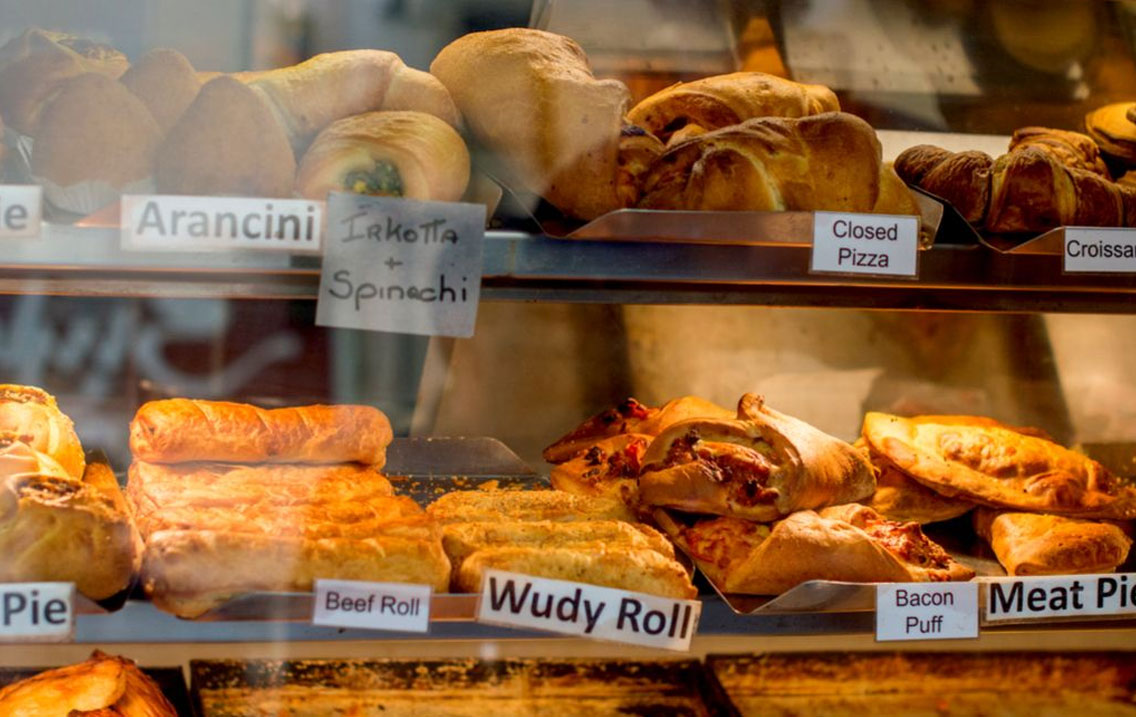
- Do Try the Local Cuisine: Maltese food is a delicious blend of Mediterranean influences. Don’t miss out on trying dishes like pastizzi and rabbit stew.
- Don’t Expect Everything to Be Open on Sundays: Sundays are traditionally reserved for family and religious activities. Many shops may be closed.
Best Time to Visit Malta
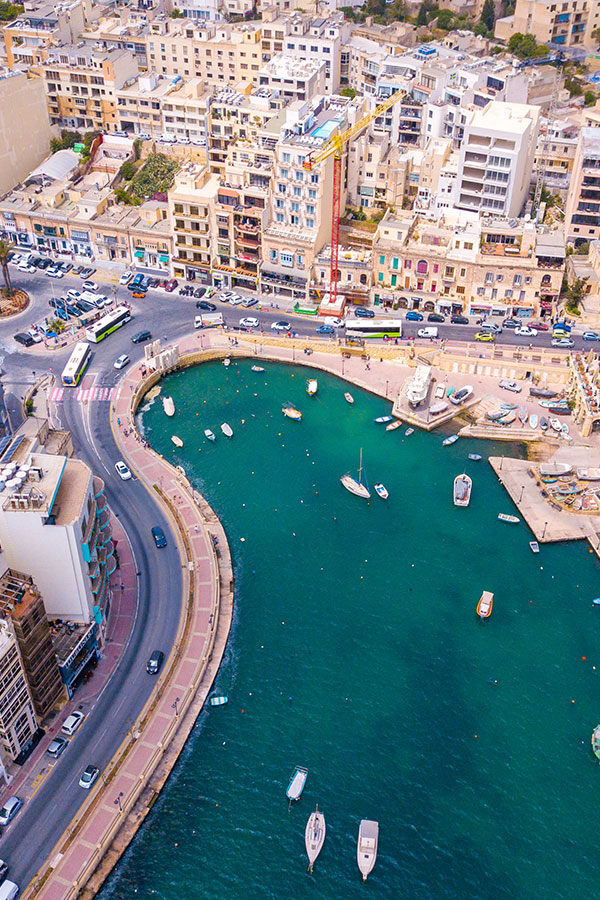
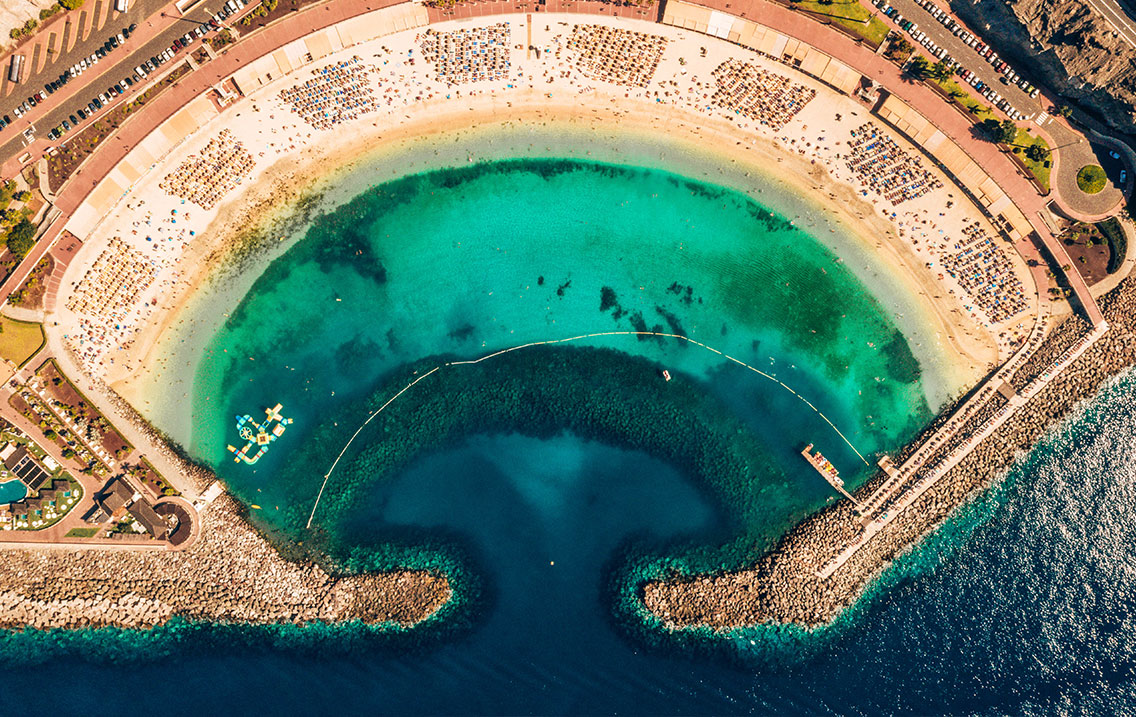
- Summer: June to September offers warm weather and is perfect for beach lovers. However, it can get crowded, particularly in popular areas like Valletta and St. Julian’s.
- Shoulder Seasons: April-May and September-October are ideal for fewer crowds, pleasant weather, and lower accommodation prices.
- Winter: While winter (December-February) is cooler, Malta still enjoys relatively mild temperatures and fewer tourists, making it an attractive option for those seeking a quieter experience.